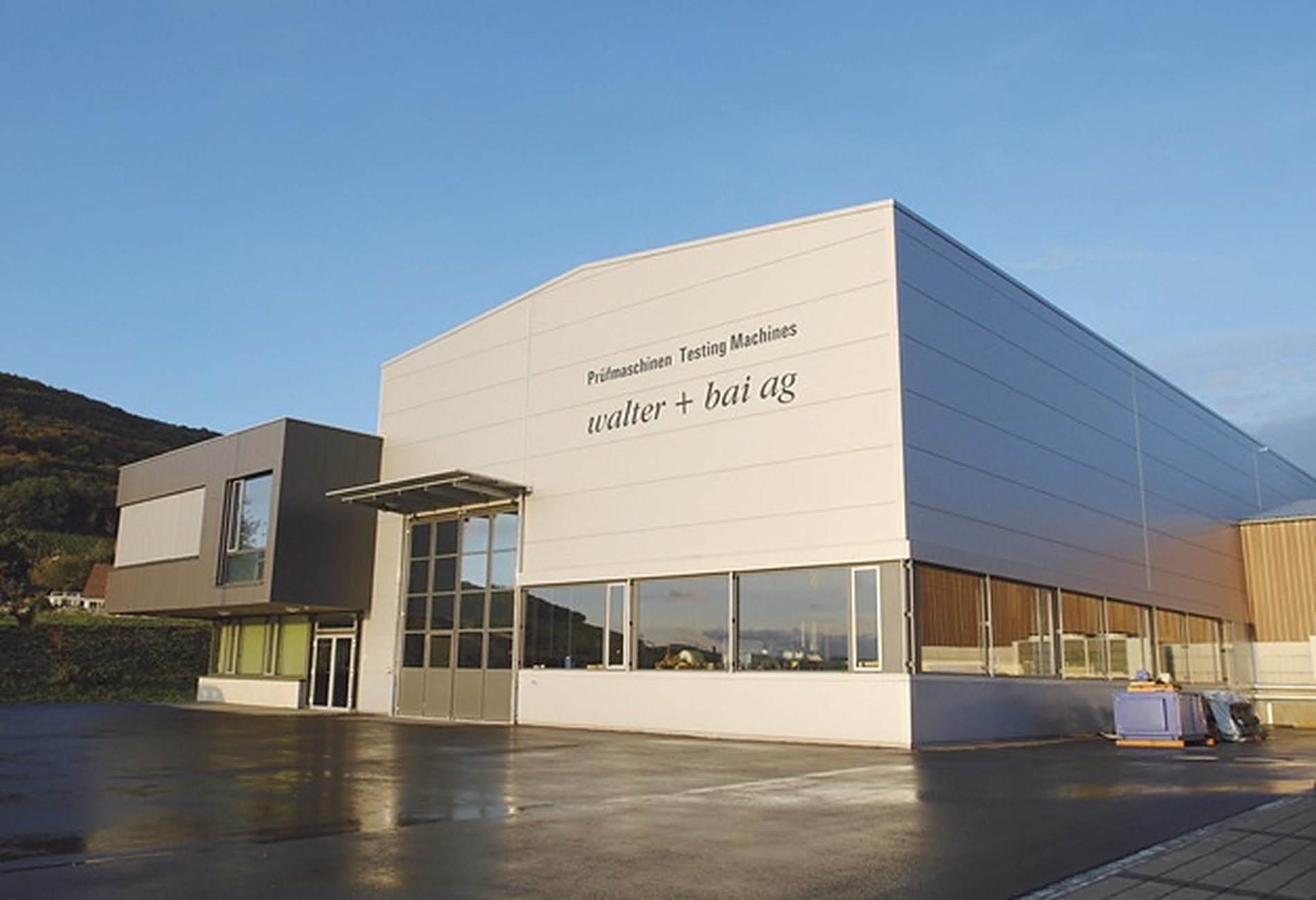
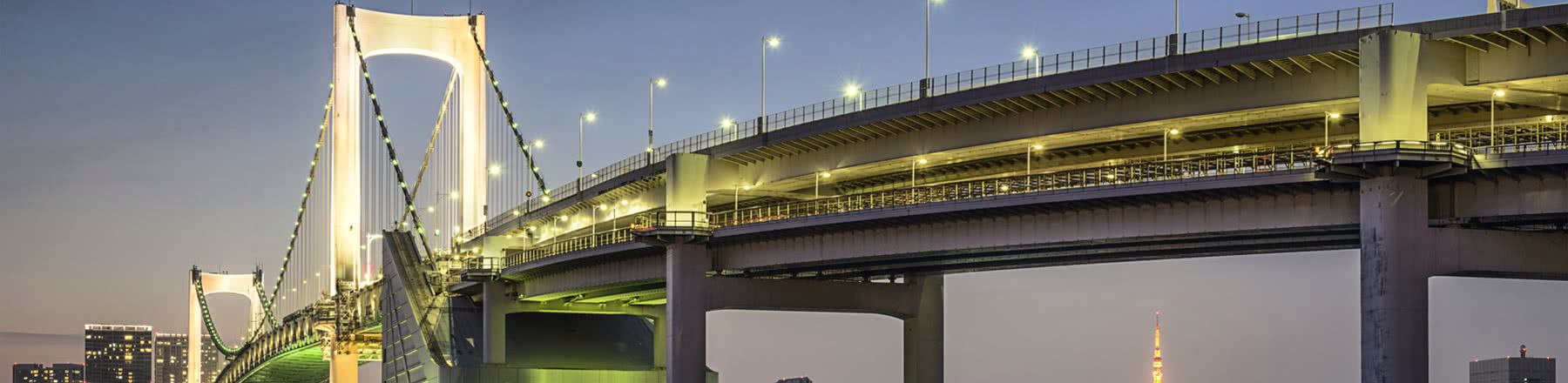
The walter+bai works at Industriestrasse 4 in Löhningen, in evening light
Testing machines · Löhningen, Switzerland · since 1970

The number a material can be trusted with.

w+b builds the testing systems that produce it. From a dental implant at 0.7 kN to a bridge bearing at 5 000 kN, designed, machined and accepted in one place in Schaffhausen.

Industriestrasse 4 8224 Löhningen
Schaffhausen, Switzerland
+41 52 687 25 25
Largest static frame
5 000 kN
Smallest system shown
0.7 kN
Calibration
ISO/IEC 17025
Scroll
01 The ranges

Three doors, not three hundred references.

The catalogue covers material testing, structural and component testing, building materials and a long list of accessories. A laboratory does not choose between three hundred references. It chooses between three kinds of question.

01 / Materials

One specimen, one standard, one number.

Electromechanical and servohydraulic frames for tensile, compression, fatigue, torsion and impact work, with the grips, extensometers and furnaces that go with them.

  • LFM electromechanical frames up to 2 500 kN
  • TTM servohydraulic frames up to 5 000 kN
  • LFV dynamic and fatigue systems up to 630 kN
  • LFM Biax and D1000 multiaxial systems
  • Charpy pendulum testers up to 900 J
Materials testing→
02 / Structures & components

The part itself, at full size.

Actuators, hydraulic power units and multi-test-area machines for components that are too large, too heavy or too expensive to test as a specimen.

  • Single-acting actuators from 20 to 1 000 kN
  • Multi test-area machines and reaction frames
  • Biaxial planar testing, D1000 multiaxial
  • Outdoor test stands and beamline systems
  • ISO 14242 hip wear simulator
Structural testing→
03 / Building materials

Cement, concrete, rock, timber, asphalt, soil.

Compression, flexural, creep and temperature-stress machines for the materials a building is made of, with the controller and software that record the result.

  • Cement series D, DB and DB SUPER
  • Concrete series D5, DBZ, B-S and D-GT
  • Creep frames HKB, temperature stress (TSTM)
  • Rock mechanics, wood, asphalt and soil systems
  • Proteus-MT software, Digicon4000 controller
Building materials→
02 The proof

Four numbers, one address.

A testing machine is only worth the certificate behind it. Everything that produces that certificate happens in Löhningen.

1970
Founded by Armin Walter and Alfred Bai, in Löhningen.
5 000 kN
The largest static frame, series TTM.
0.7 kN
The smallest system shown, for dental research.
2
Accreditations: ISO 9001 for the works, ISO/IEC 17025 for calibration.
A bridge under construction
Bridges
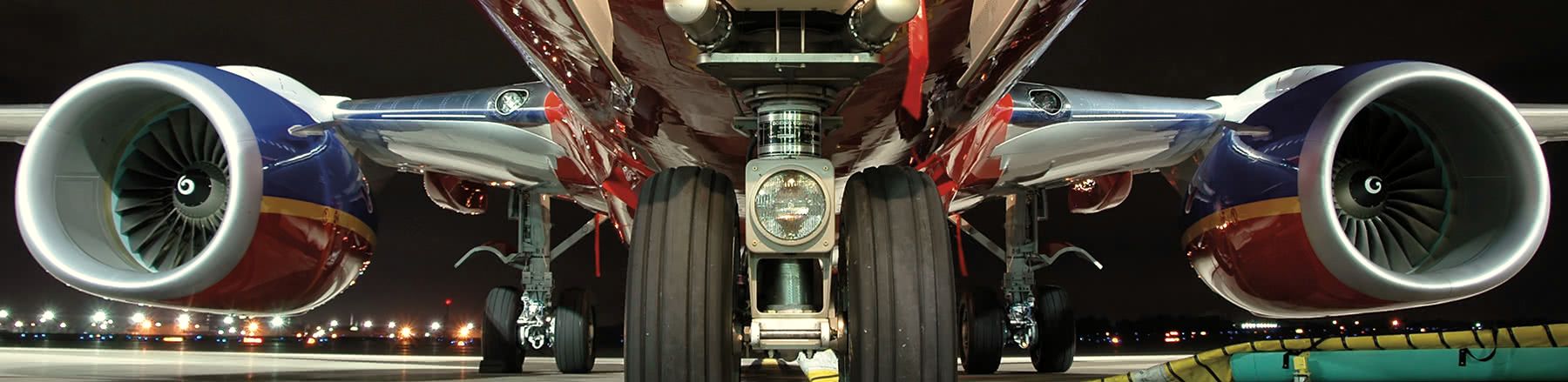
An aircraft in flight
Aircraft
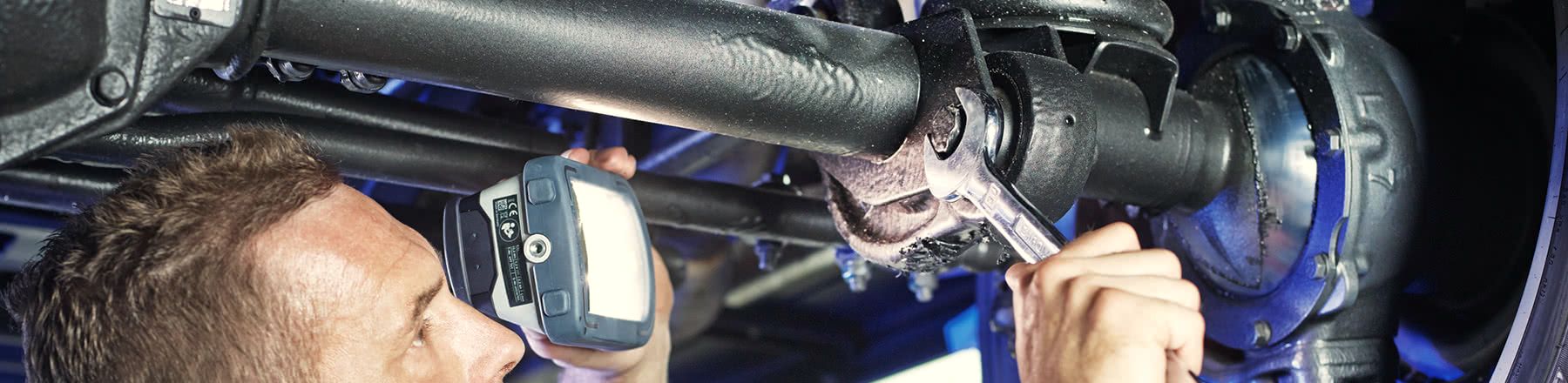
A car body in a press shop
Automotive
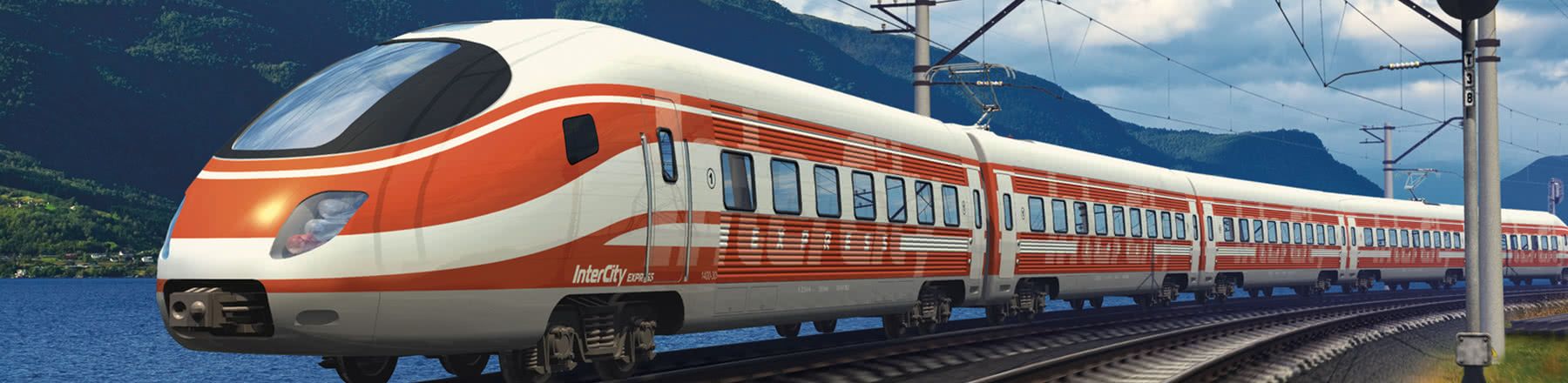
A high-speed train
Rail
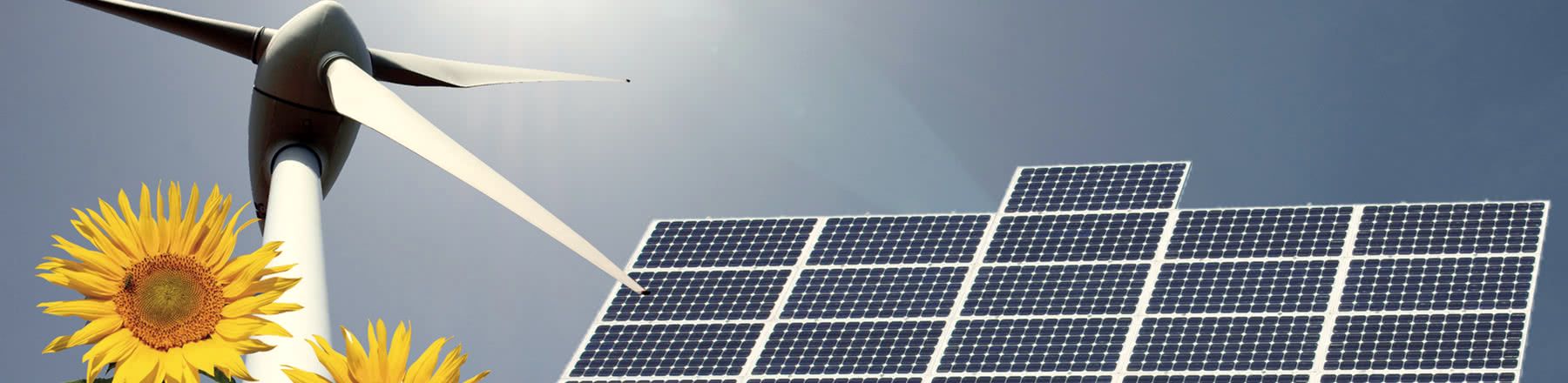
A wind turbine and a solar array
Energy
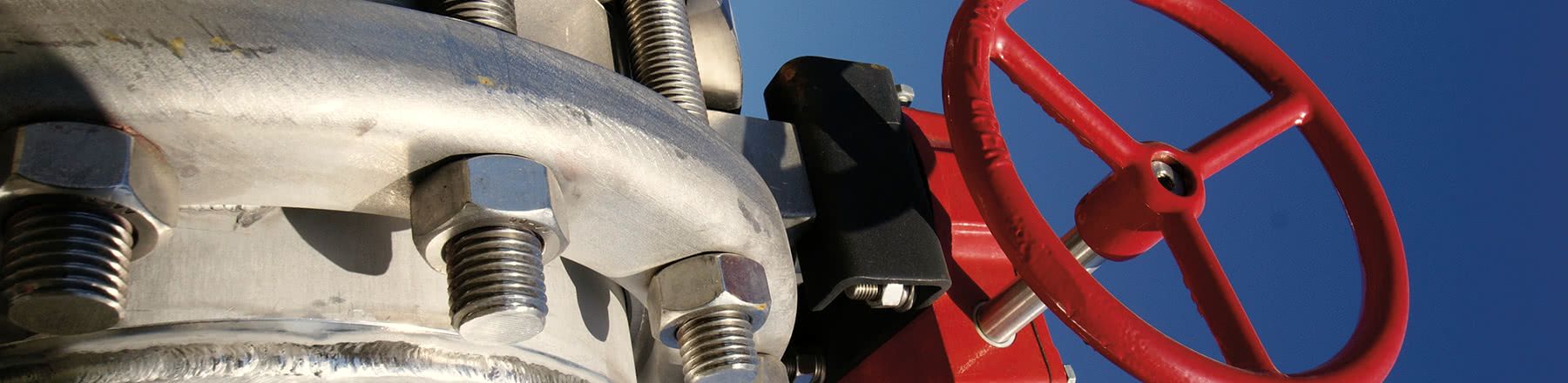
A pipeline valve
Pipelines
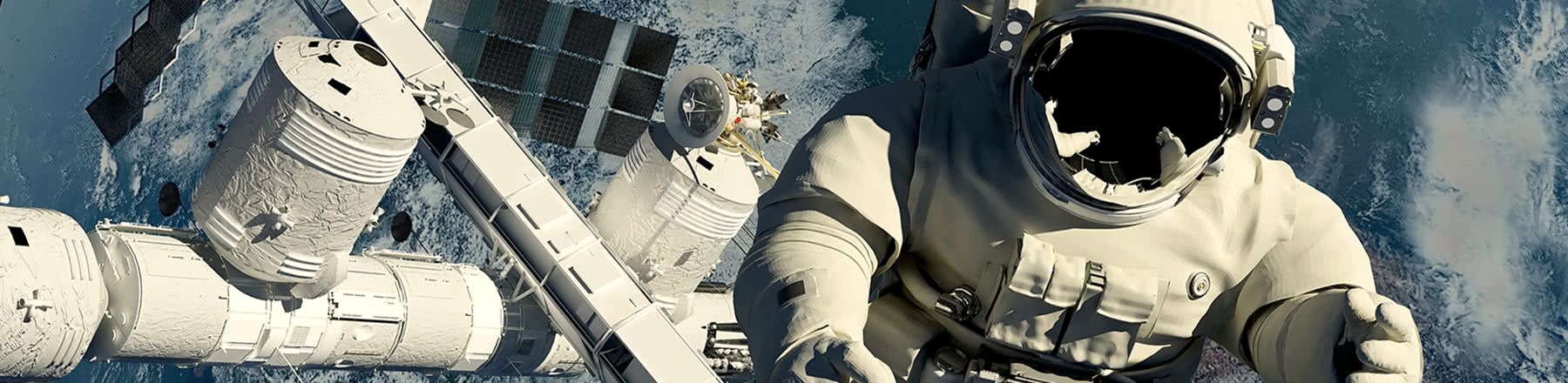
A spacecraft structure
Space
What the numbers are forSectors named by w+b: metal, automotive, plastics and rubber, chemical, building, aircraft, biomechanics, institutes
03 Find a frame

Start from the force, not from the catalogue.

The ranges overlap, and the right frame depends on what the test has to prove, not only on the load. Move the slider to the force you work with.

Force you need to apply

Logarithmic scale, 0.5 kN to 5 000 kN.

Maximum force300 kN
0.5101001 0005 000
Kind of test
LFM 150–400
150 – 400 kN · electromechanical

A rigid four-column floor-standing frame for metals, fasteners, composites, forgings and geotextiles.

The series at w+b →
Elevation of the suggested testing frame 300 kN TOP BEAM BASE, FREE-STANDING
04 The workshop

From a drawing to an admissible number.

Design, machining, assembly and acceptance under one roof. The calibration laboratory works from the same address, which is why the number survives the journey to the customer's report.

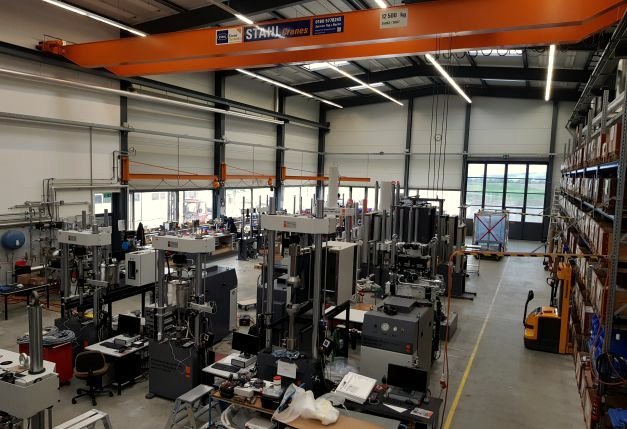
Assembly hall with overhead crane and testing frames under construction
Fitter assembling a testing frame at the bench
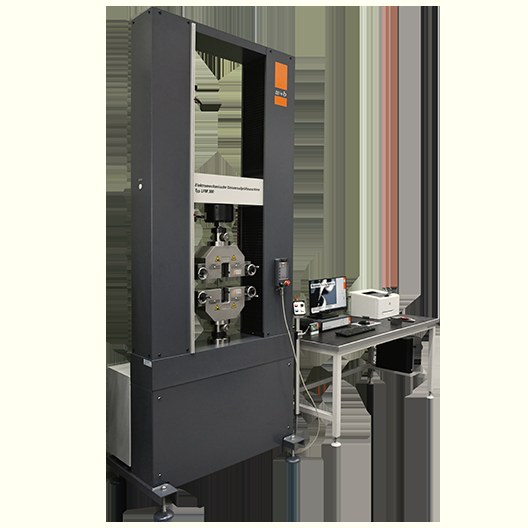
A 300 kN electromechanical testing machine
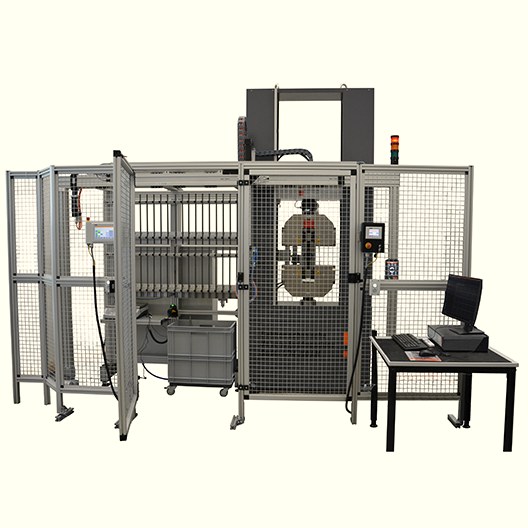
Robotic tensile testing cell for rebars
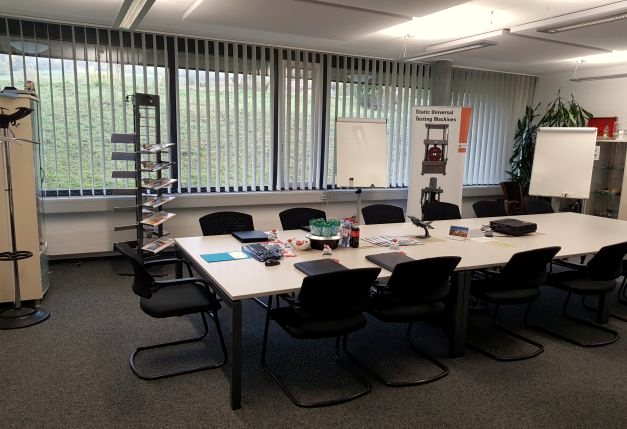
Meeting room during a project review
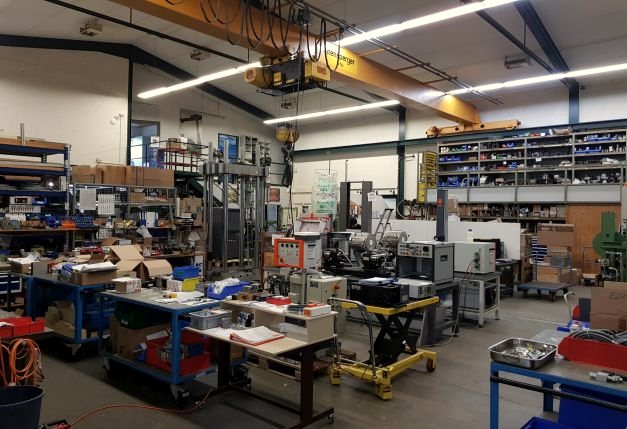
Löhningen: assembly hall, machine shop, project review. Photographs from w+b's own site.
01

Design

A standard frame is modified for the specimen, the standard and the grips. Where no standard frame fits, w+b builds the machine the test requires: high temperature, vacuum, corrosion, biaxial, full-scale component.

02

Machine and assemble

Frames, ball screws, seals and guarding are produced and assembled in-house. The frame stands free on shock absorbers: no special foundation, no civil works on the customer's floor.

03

Accept and calibrate

The machine is verified before it leaves, then calibrated by the accredited laboratory. Commissioning, instruction and telephone support follow, and the software continues to be updated.

04

Keep it true

Existing machines are modernised in a modular way: a new controller, a new drive, a second test area. A frame bought in 1990 can still produce a number accepted in 2026.

05 What comes next

Testing is leaving the laboratory.

A laboratory used to buy one machine. It now buys a line: the specimen, the frame, the robot, the controller, the report. w+b already builds every part of that line, and still sells them mostly one at a time.

The next ten years will not be decided by the highest force. They will be decided by the laboratory that can prove a result without touching it: automated, calibrated, traceable, and accepted by the customer who reads the report.

That is a different company from the one that ships a frame. It is also the one whose name is already on the certificate.

w+b, Löhningen, 1970 – 2026
About this page

A reading of your trade, set in type.

This page is a proposal made to w+b from its own public content: the site, the product sheets, the certificates and the commercial register. The three packages, from the fixed price of CHF 1 200.– to the supporting materials, are set out on a dedicated page.

See the conditions → Three packages · SEO and AEO included
© 2026 Christophe Picou. This page is an original work protected by copyright in France and in Switzerland. Its reproduction, its publication at another address or its reuse, even in part, are reserved to the author and subject to his written consent. The photographs and trademarks shown belong to the company concerned.